Welcome/Wominjeka

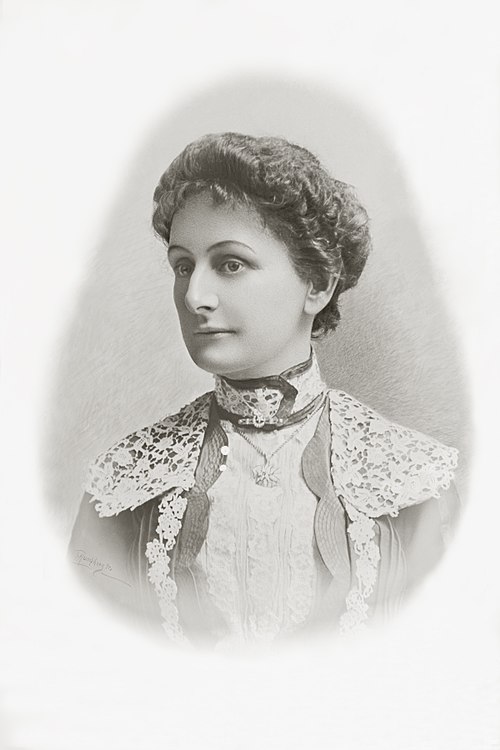
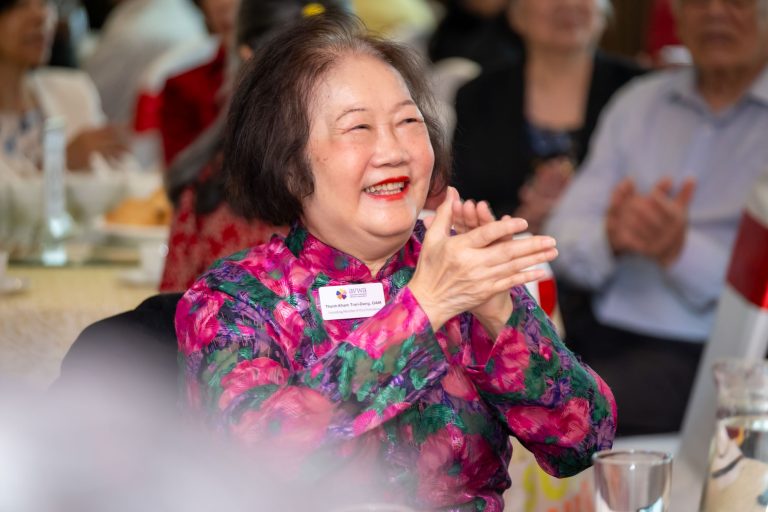
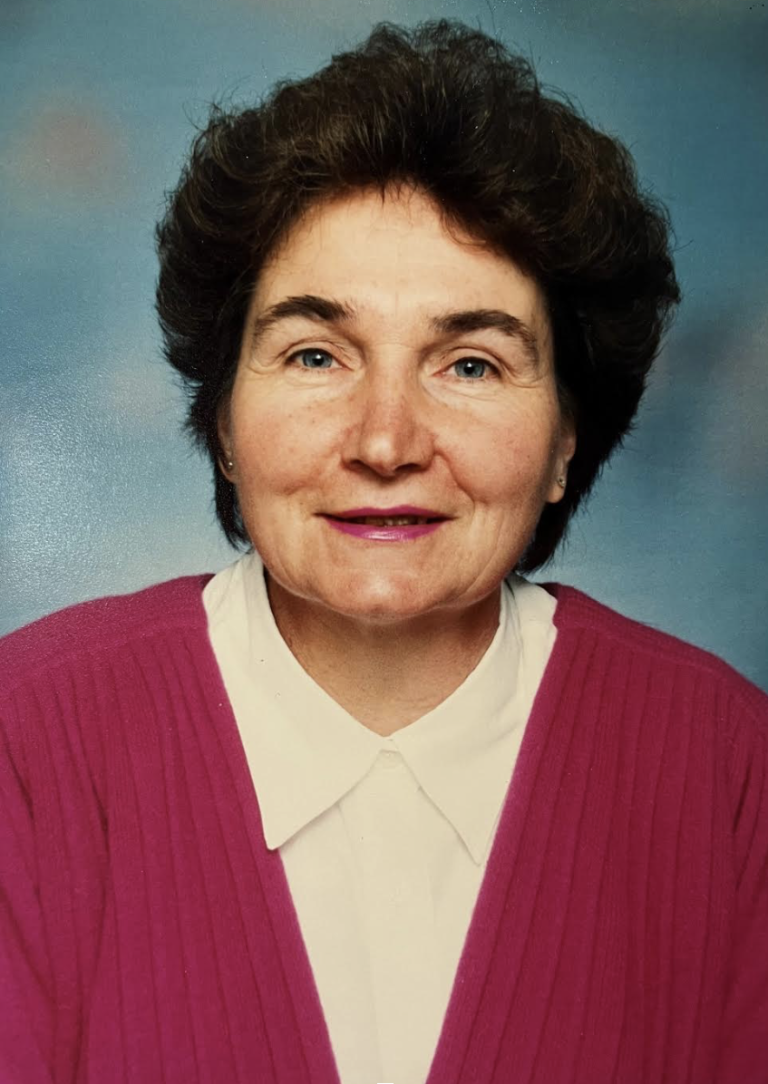
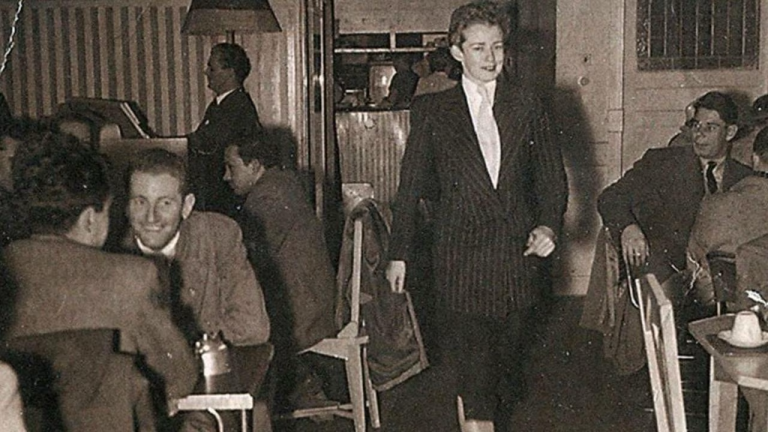
Finding Her is an interactive, place-based map that brings the stories of Australian women and gender-diverse people into the public landscape.

Finding Her, Australia’s first statewide women’s commemorative tour, starts here but will only end when the past is complete and the stories of people of all genders are equally told in public places and celebrated in every corner of what’s now known as Victoria.
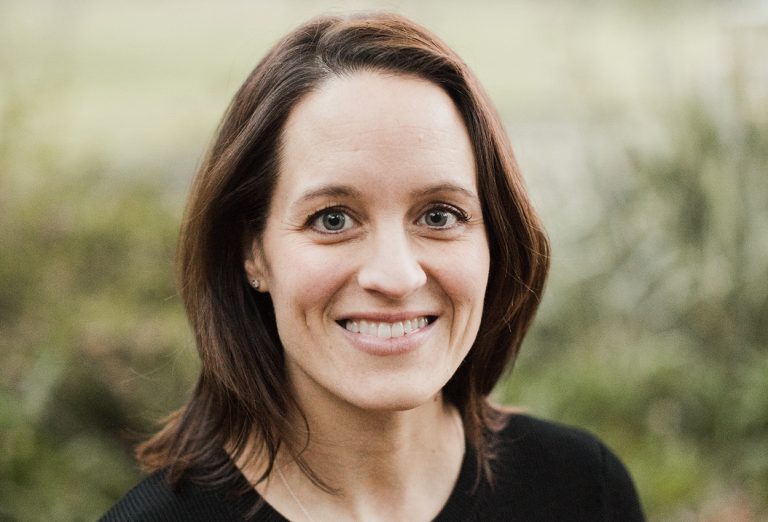
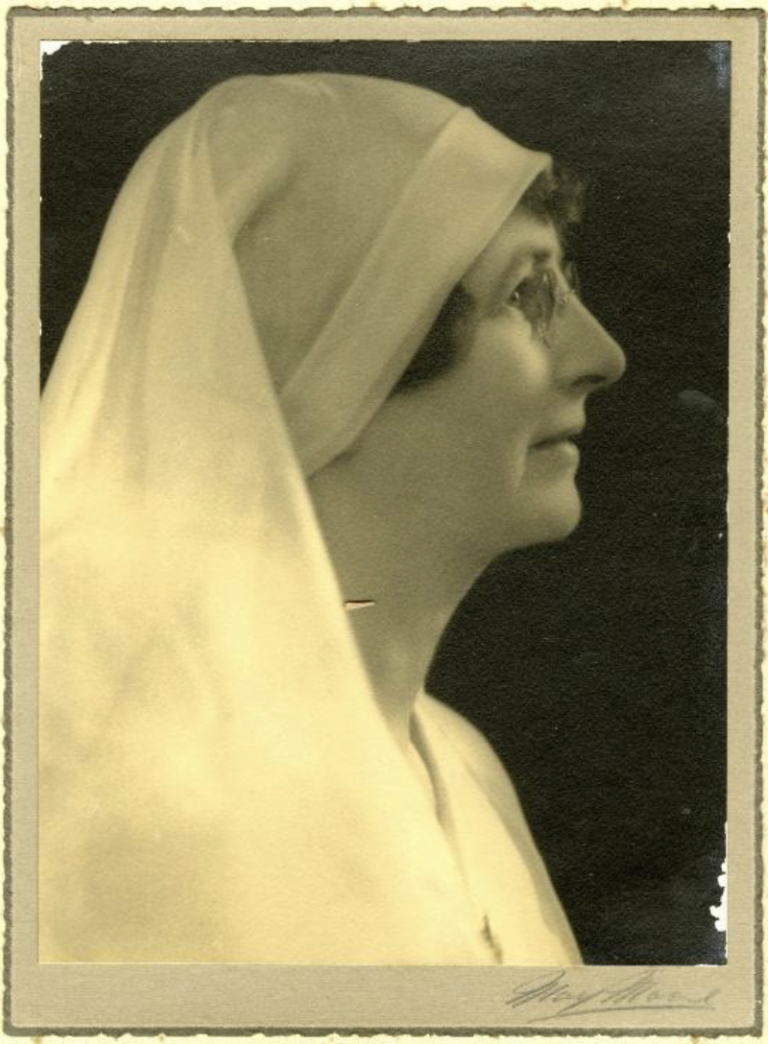
Commemorative places provide an important link between present and past generations and are a permanent marker to recognise the people, events and stories that make this place what it is.
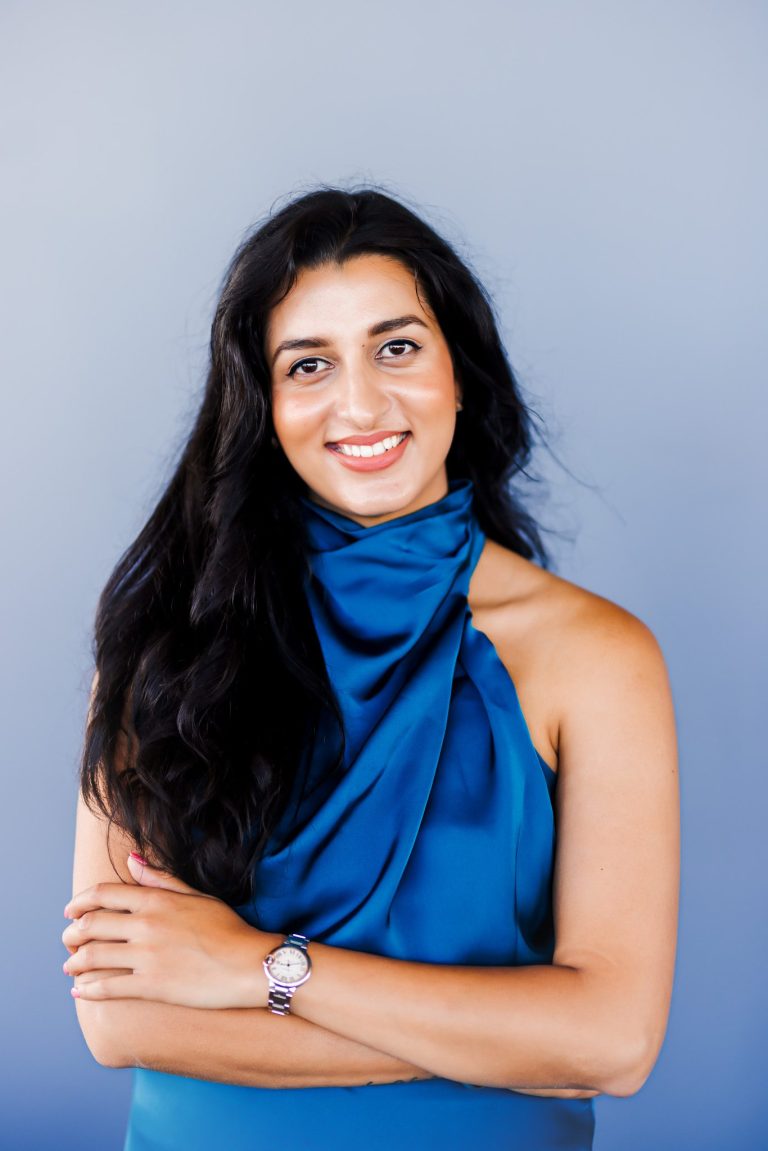
Search for Her

Help Build Finding Her
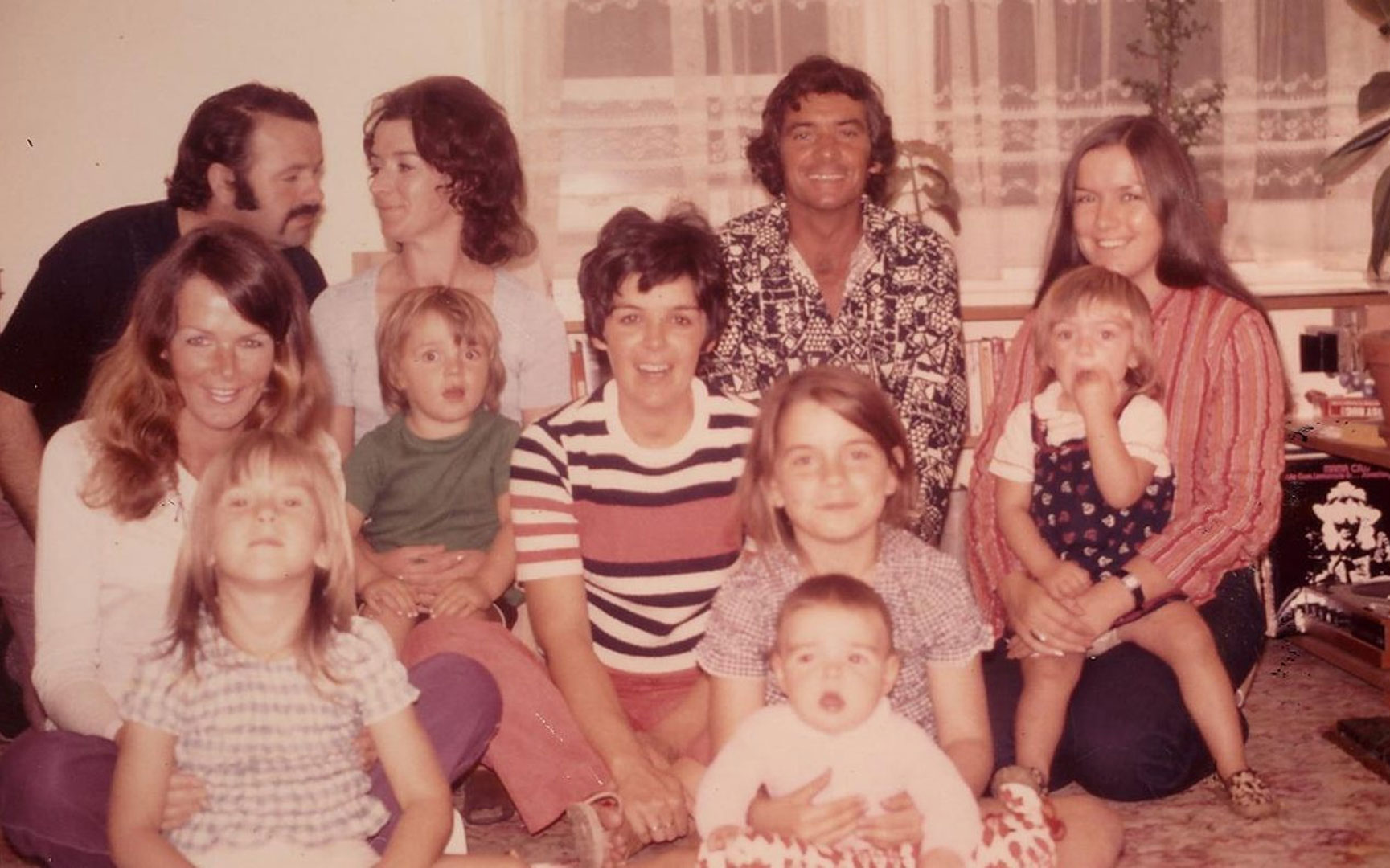
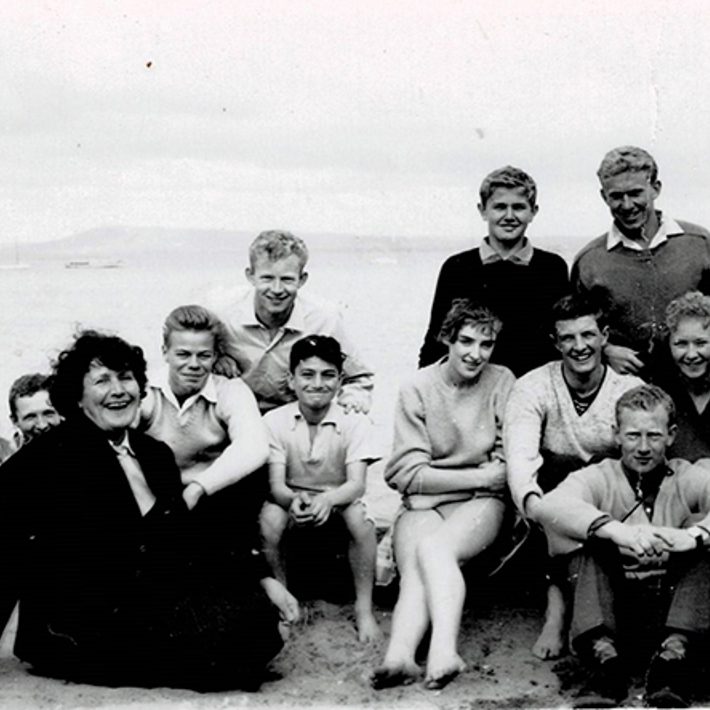
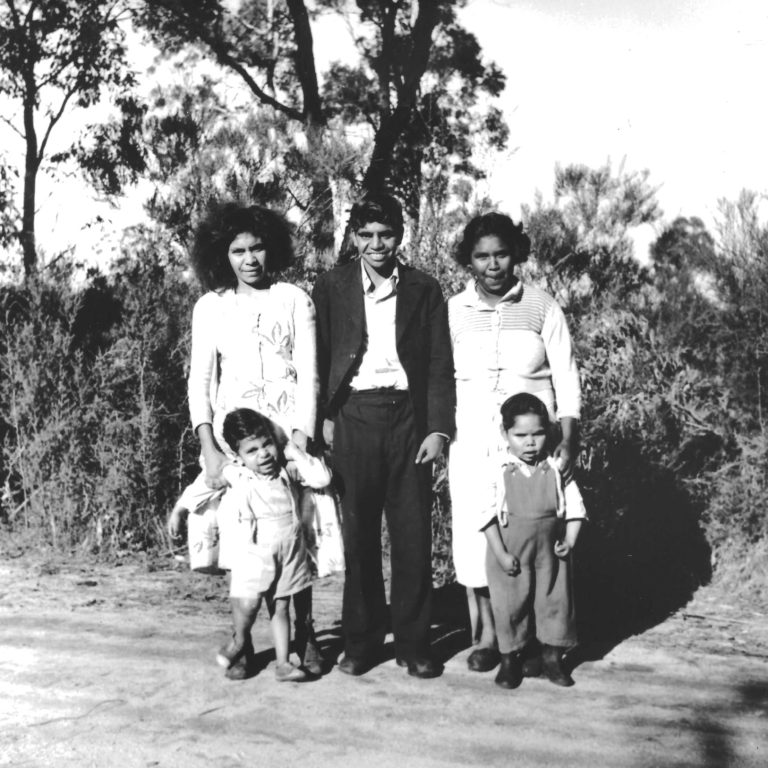
A picture of a large family, all smiling towards the camera.

Put mum on the map

Is your mum, sister, aunt, friend an unsung hero. You may also wish to explore formal place naming through the Remember a Local – Name a Place campaign on Engage Victoria. Nominations are reviewed by Geographic Names Victoria and may be shared with the relevant council for consideration, in line with Victoria’s place naming rules.

Finding Her Research Hub

Her Place Women’s Museum is available to support individuals, families, community groups, councils and developers at every stage of the commemoration process. Our Finding Her Research Hub brings together expertise in Australian women’s history, gender equity and public commemoration with practical, on-the-ground project support.

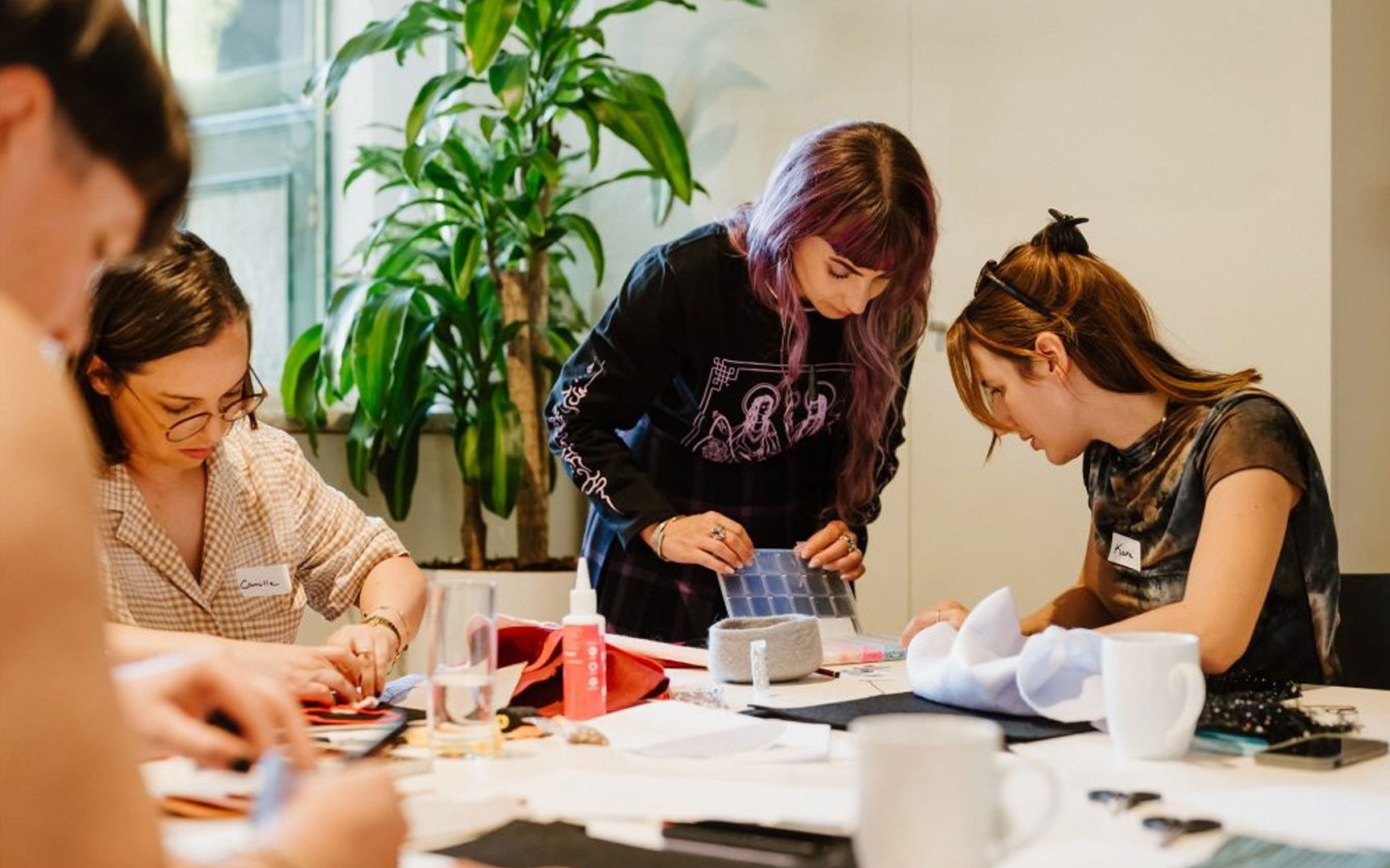
Four individuals leaning over a table.

Volunteer with us

There are many ways you can become involved in supporting the work of Her Place Women’s Museum and Finding Her. Volunteers play a vital role in the life of Her Place and are valued members of our team. You can be a custodian of women’s histroy, reach out via our contact form and we’ll be in touch with an Application Form.

Finding Her Resources

Women have shaped Victoria. Its communities, institutions, environment and culture. Yet historically, fewer than one in five public places have been named after women.

Her Place Women’s Museum is committed to changing that. We have developed a suite of resources designed to help anyone — from community members and families to councils and developers — understand how to honour women through public commemoration and why doing so is a matter of justice and equity.

The resource suite guides people through every stage of the process: from understanding commemorative equity, to preparing a formal naming proposal, to writing a biography and getting a woman’s story onto the Finding Her digital map.

Finding Her Funding & Project Partners

Geographic Names Victoria

Geographic Names Victoria (GNV) part of the Department of Transport and Planning within Land Use Victoria oversees the naming and registration of roads, features and localities in Victoria by administering the Geographic Place Names Act 1998. GNV maintains the official Victorian Register of Geographic Names called VICNAMES and reviews and ensures compliance with the Naming Rules for Places in Victoria. Since May 2022 the ‘Rules’ include the important principle of gender equality and the ability to use first names in place naming supporting a future of better representation in public place naming and commemoration.

Gender Equity Victoria

Gender Equity Victoria (GEN VIC) is the independent peak body for organisations, practitioners and individuals promoting gender equity in Victoria. GNV sponsored GEN VIC to advance the Put Her Name on It campaign in Victoria and partner in developing the first iteration of Finding Her.

First Nations peoples have cared for and protected these lands and waters since time immemorial. From the arrival of Europeans on these shores, Australia’s First Nations people have received little recognition for their fierce resistance during the frontier wars, where they fought to protect and preserve their Country, community and culture in the face of land invasion, alienation and loss. First Nations Australians live in a society that celebrates and glorifies the oppressors, and there is very little representation of the numerous Aboriginal and Torres Strait Islander women who have dedicated their lives to advocating for the rights of their people. In the telling of Australia’s history since the arrival of Europeans, First Nations womens’ voices and stories have largely remained invisible, however, their resistance to oppression has always existed and persists today.

The strength First Nations women possess, their ability to challenge authority, speak for, heal and care for Country and to inspire self-determination within their own communities is unmatched. The power of their continued resistance has inspired many, and their stories deserve to be known and told in mainstream spaces. Finding Her brings the stories of many First Nations women to the forefront, to receive the recognition they deserve for their contribution to modern Australian society.

Finding Her aims to address the gender imbalance that exists in public commemoration. To address this imbalance, Finding Her aims to recognise and advocate for the commemoration of all women, cis and trans. We also recognise the important position that gender diverse people who exist outside the binary have in feminist histories, and endeavour to ensure their stories are told.

We recognise that Aboriginal and Torres Strait Islander people have faced some of the most intense forms of political and cultural subjugation as a result of colonisation and through generations of discrimination and marginalisation. Therefore, as a commemorative justice project, we recognise that it is vital to ensure that the stories and achievements of Aboriginal and Torres Strait Islander people are told.

In this, we have endeavoured to work with First Nations communities wherever possible when commemorating First Nations people. We respect the wishes of these communities to have their members commemorated, or not commemorated, and this map reflects the autonomy of these communities to participate in commemoration on their terms.

We acknowledge that there will be gaps in our work, and we hope that this project will bring to light where these gaps exist. Where you see these gaps, we encourage the community to let us know, so that we can strengthen our aim to tell the truth about women and gender diverse people who have made our nation’s history.