1822 – 1908
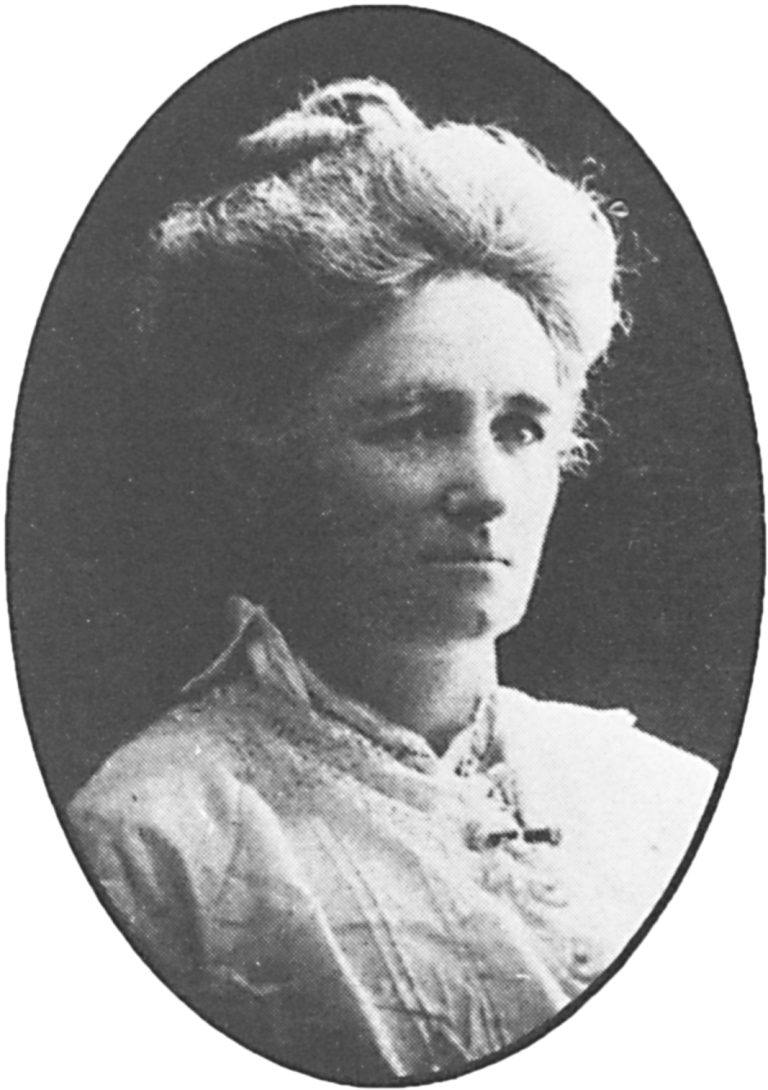
Martha Clendinning
 Business
 Community Service
Businesswoman, Co-Founder of Ballarat Female Refuge, Botanical Collector
The lady who walked to Ballarat [1]
Martha Clendinning was born in Ireland on 22 February 1822. In 1852, she, her husband Dr George Clendinning, and their young daughter Margaret left England for Australia. Their journey was nearly cut short when their ship was wrecked, but the family survived and most of their belongings, including their tent, which would become central to life on the goldfields were recovered. [2]
After arriving in Melbourne, Martha reunited with her sister, Sarah Annie Holmes. George and his brother-in-law soon travelled to the Ballarat goldfields, leaving Martha and Sarah in Melbourne. At the time, the diggings were seen by society as unsuitable for “decent” women.
Martha’s brother-in-law tried to discourage her and Sarah from heading to the goldfields by challenging them to visit Canvas Town, a temporary settlement of tents from St Kilda Road to South Melbourne. Despite the overcrowded and unsanitary conditions, the sisters saw a business opportunity.
Martha later wrote,
“After they left us women… we came to the conclusion that we could never sit down in our tents… with our hands before us.” [3]
Observing that traditional “womanly employment” like teaching and needlework would not be suited to the goldfields, the sisters devised an unconventional plan: they would open a store. [4]
Martha loaded a cart with fabric, clothing, tea, sugar, and other scarce supplies and set out for Ballarat. Finding the transport rough, Martha walked the 150-kilometre week-long journey beside the cart, earning her enduring nickname “The lady who walked to Ballarat.” [5]
On arrival, their husbands were sceptical.
Martha recalled:
“‘Keep a store!’ they cried. ‘What did we know of business? We would be the laughing stock of the diggers all round, and very soon have all our goods wheedled from us!’ [6]
Undaunted, Martha and Sarah set up shop in a tent. They sold goods primarily for women and deliberately avoided unlicensed alcohol, or sly grog, common on the diggings. Their business thrived, and they became respected figures on the Ballarat goldfields. [7]
Martha reportedly carried two pistols for self-protection, though there is no record she ever used them. In 1854, before the Eureka Uprising, she reluctantly surrendered them to miners at the Minister of War’s request. [8]
After the Eureka Uprising, Sarah returned to Melbourne. Martha continued to run the store alone until 1855. She managed business, cared for her child, and moved the tent as miners relocated. With her husband often away for medical practice, she worked largely on her own. [9]
As Ballarat grew, social expectations and competition led her to close the store.
She reflected:
“The time had gone by when, even on the goldfields, a woman unaccustomed to such work could carry on her business without invidious remarks. I began to fear my husband might be blamed for allowing me to continue at it.” [10]
During this period, George built the family a wooden house on Humffray Street, Ballarat East.
With a stable home, and her business closed, Martha dedicated her time to charity. Concerned for deserted wives and destitute unmarried mothers on the goldfields, she joined 26 women on 30 July 1867 to found the Ballarat Female Refuge, the town’s first institution of its kind. Its legacy continues today through Clendinning House.
Martha also contributed to Australian botany. She collected specimens for Botanist Ferdinand von Mueller as part of a group of women collectors whose work has only recently been recognised. [11]
Martha passed away in Ballarat in 1908 at the age of 86. She is buried at the Ballarat New Cemetery, Church of England, D Section 1, Grave 47.
Her memoirs, Recollections of Ballarat: A Lady’s Life at the Diggings Fifty Years Ago (Clendinning‑Rede Papers, 1853–1930, State Library of Victoria), provide one of the few first-hand accounts by a woman on the goldfields. They illuminate daily life, social expectations, and significant events such as the Eureka Uprising.
Important to note: Martha Clendinning’s story is an important part of Ballarat’s history. At the same time, it is important to acknowledge that she and other European settlers were not the first people to inhabit the area.
For tens of thousands of years, the Wadawurrung and Dja Dja Wurrung peoples of the Kulin Nation have cared for the land now called Ballarat. We acknowledge and pay respect to their enduring custodianship despite the impacts of colonisation.
COMMEMORATION
Martha’s Lane was named in 2016 by the City of Ballarat Council in honour of Martha Clendinning.
VISIT
ACKNOWLEDGEMENT
This Biography was written by Her Place Women’s Museum in consultation with the City of Ballarat Council using the below resources.
While efforts have been made to find descendants of Martha Clendinning none have been found – if you are a descendant and would like to contribute to this historical record please contact us herplace@herplacemuseum.com or use City of Ballarat Councils resource My Say Ballarat.
More Information
View Similar Profiles
Inspired by her story? Explore more women whose lives and contributions have helped shape Australia’s communities, culture and history.