1848 - 1937
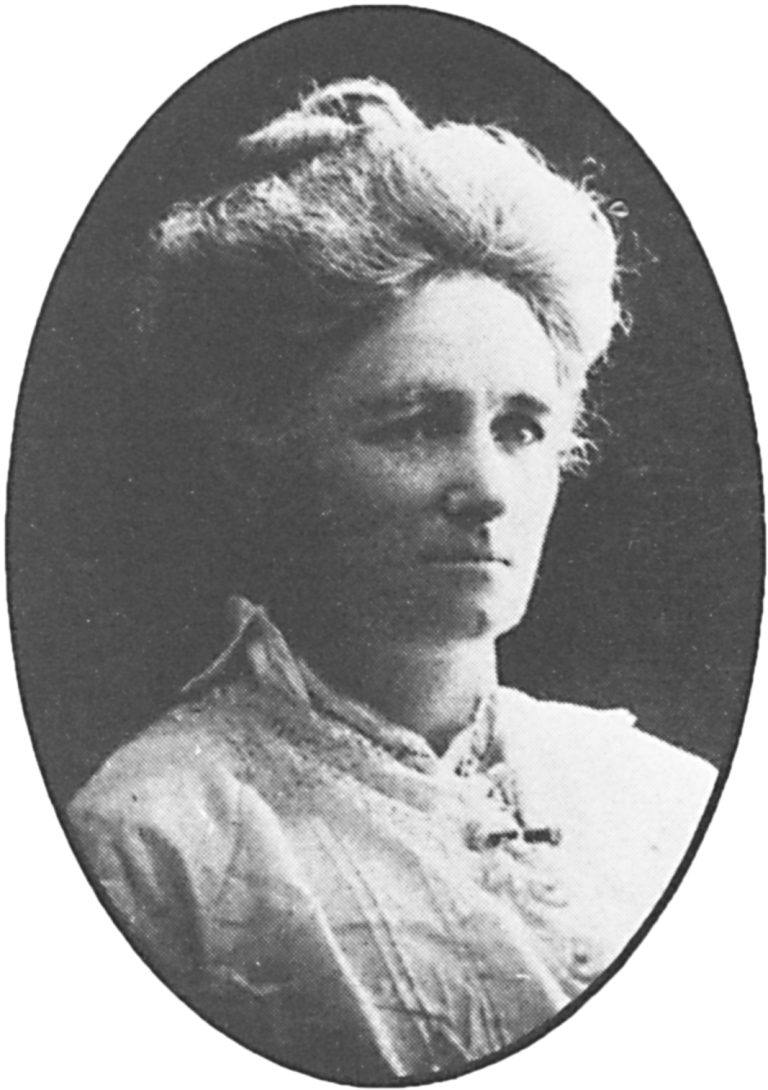
Helen Lothan Robertson
 Activism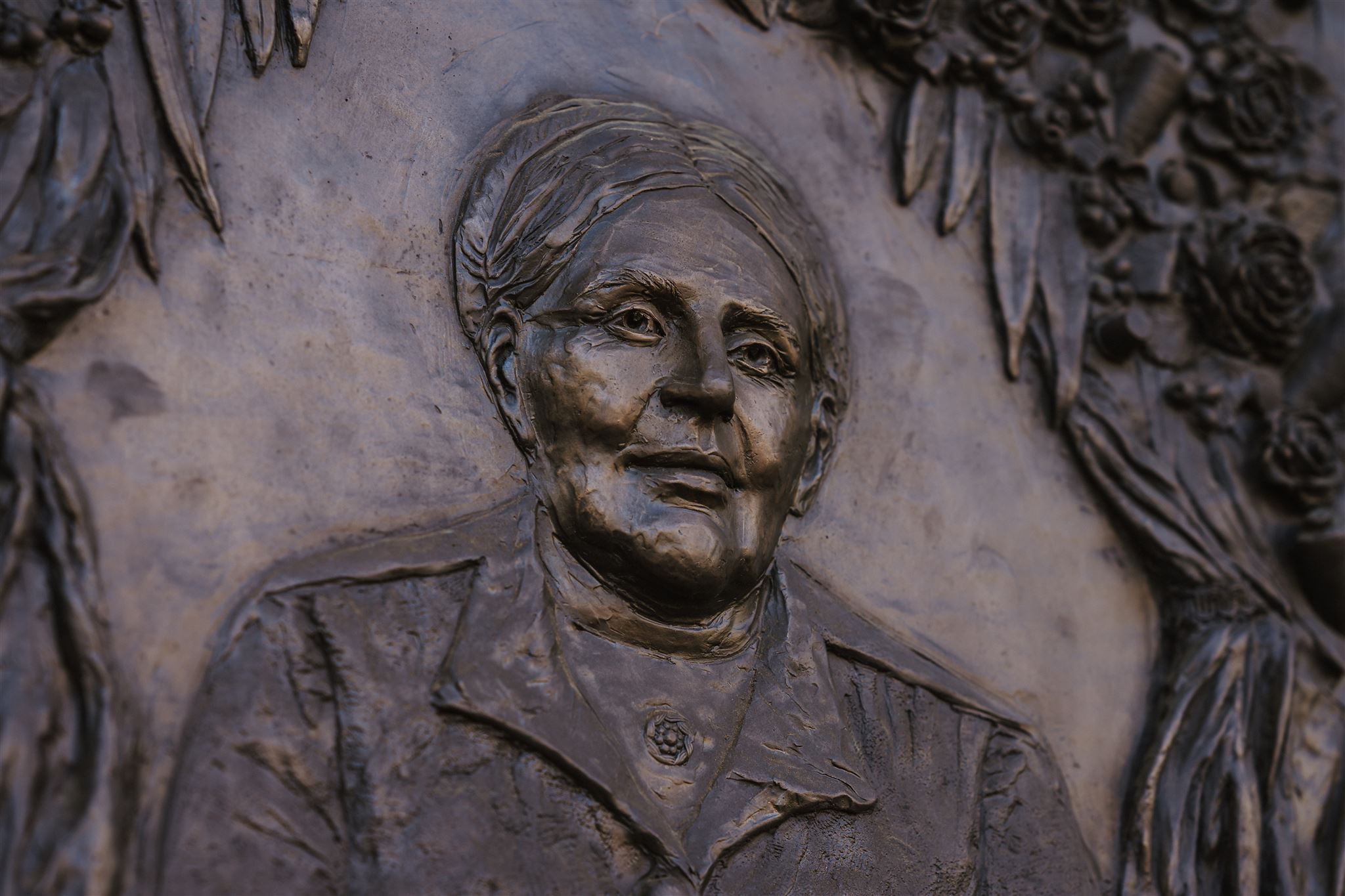
“ one of the foundation members of the old Tailoresses’ Union in 1880, and one of those associated with the strike of 2000 tailoresses in 1883, which resulted in in-creases in wages to 27/6 and 30/ a week.”1
– The Age
Helen Lothan Robertson (née Bigg) was born in 1848 in Glasgow, Scotland. She migrated with her family to Victoria at age 5. By 14, was working as a tailoress, in an industry where clothing machinists were paid just 10 to 12 shillings and sixpence per week, around half the wages of unskilled male labourers.2 Helen became a pioneering trade unionist whose leadership transformed working conditions for women in Victoria’s garment industry.
In 1870, Helen married carpenter James Stuart Robertson. Despite ongoing personal challenges, including illness, economic instability and family loss, Helen continued to work as a seamstress while raising her family.
By the mid‑1870s, Helen organised women workers to challenge low pay, unsafe conditions and sweatshop labour. She was a key figure in mobilising tailoresses to challenge low pay, unsafe conditions, and the system of “sweating” in the clothing trade, now known as sweatshop labour.4
In 1880, she played an important role in establishing the Tailoresses’ Association, one of the first organisations in Victoria to represent women workers. 3
In 1882 the association sought support from the Victorian Trades Hall. A Tailoresses Union was formed, initially governed by an all‑male executive; Helen served on the women’s committee and went on to shape the union’s direction and governance.
Through the 1880s, Helen continued to advocate for improved conditions during a period marked by economic depression and declining union membership.
The union developed a “log of claims” outlining fairer piecework rates, which was adopted by many leading employers by 1883. These efforts contributed to broader reforms in the garment industry.5
By the late 1880s, the growing strength of women unionists led to the establishment of the Female Operatives’ Hall at Trades Hall, with Helen serving on the foundation committee. Her leadership helped secure greater recognition of women’s role within the labour movement.
In 1894, Helen was elected to the Eight Hours’ Committee, a significant body within the labour movement advocating for fair working hours. Following the 1907 merger of the Tailoresses’ Association with the Federated Clothing Trades Union, she served on the Victorian branch executive, including a term as vice-president, until 1925. She was also among the first women elected to the executive of the Victorian Trades Hall Council.
Helen was a determined and respected figure within Melbourne’s labour movement. She remained active in union work into her seventies, contributing to lasting improvements in wages, conditions, and representation for women workers.
Helen passed away at her home in Collingwood in 1937, aged 89.
COMMEMORATION
Helen Robertson is honoured with a bronze relief sculpture by artist Jennifer Mann at the Victorian Trades Hall Council 6 , the institutional centre of the labour movement where she organised and led. Unveiled on 5 March 2021 during a Making and Marking Union Women’s History event, the work recognises her leadership in one of Australia’s first women’s trade unions and her advocacy for fair wages and improved working conditions.7
Her contribution is also featured in feminist history tours of Trades Hall, where her role in founding the Tailoresses’ Association and advancing women’s unionism continues to be shared.
VISIT
ACKNOWLEDGEMENT
This Biography was written by Her Place Women’s Museum using the below publicly available resources. If you are a descendant of Helen Lothan Robertson and wish to contribute to this archive please contact herplace@herplacemuseum.com.
More Information
View Similar Profiles
Inspired by her story? Explore more women whose lives and contributions have helped shape Australia’s communities, culture and history.