1895 - 1967
Dorothy Hood (née Harrison)
 First Nations Matriarch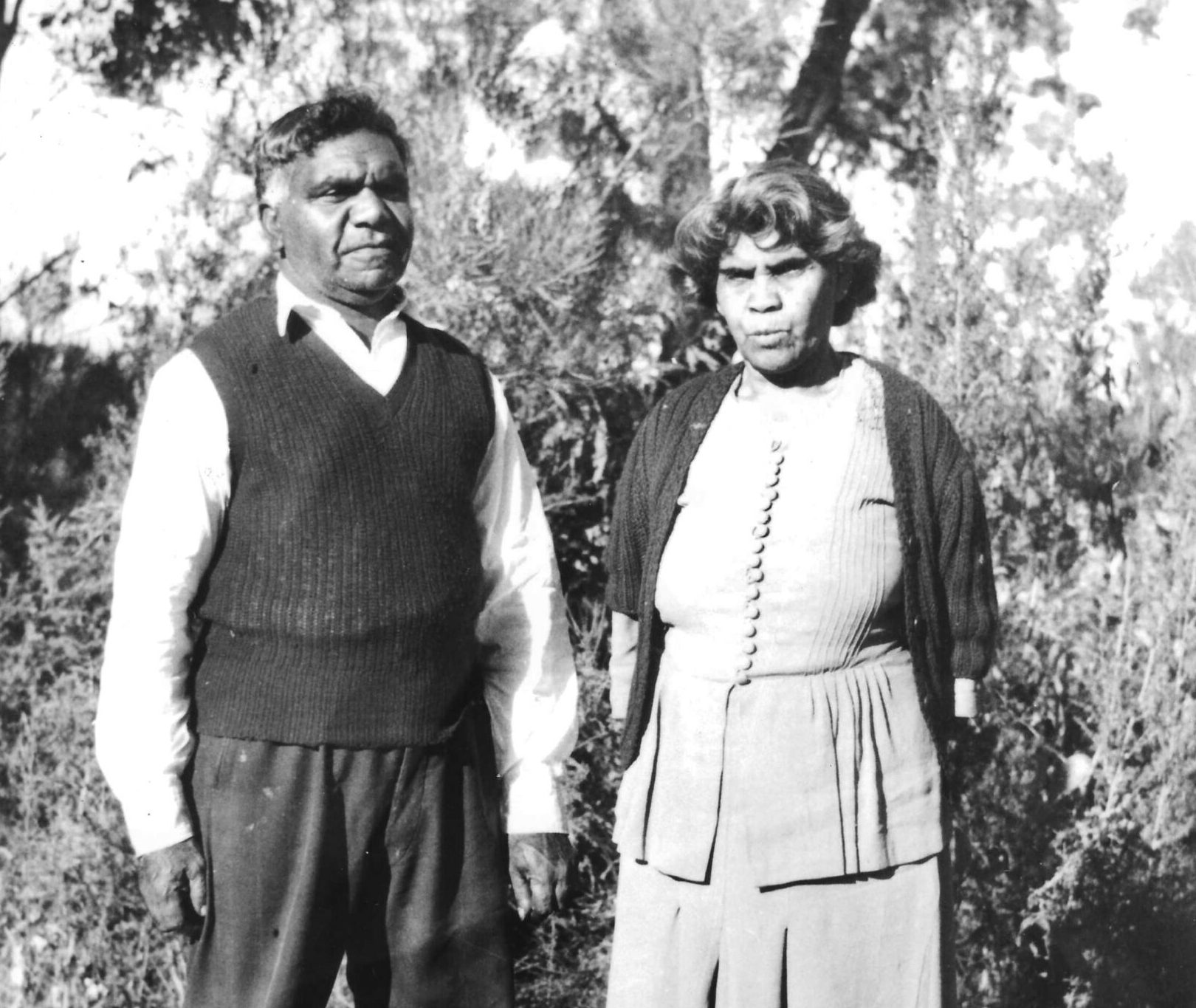
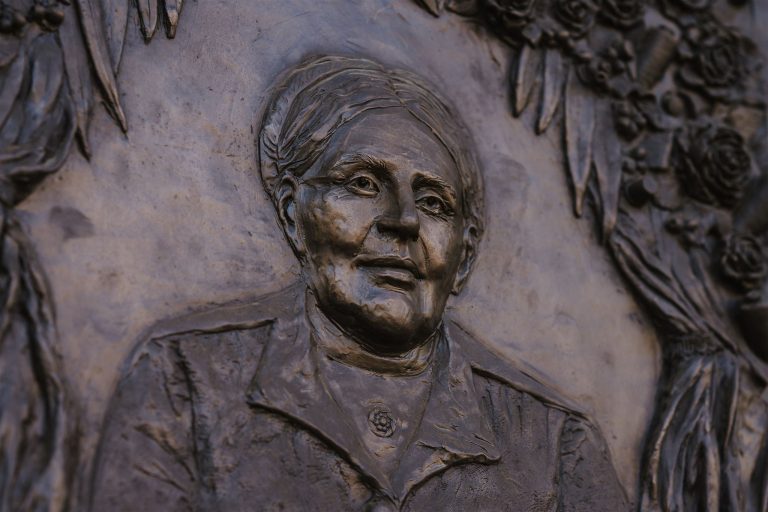
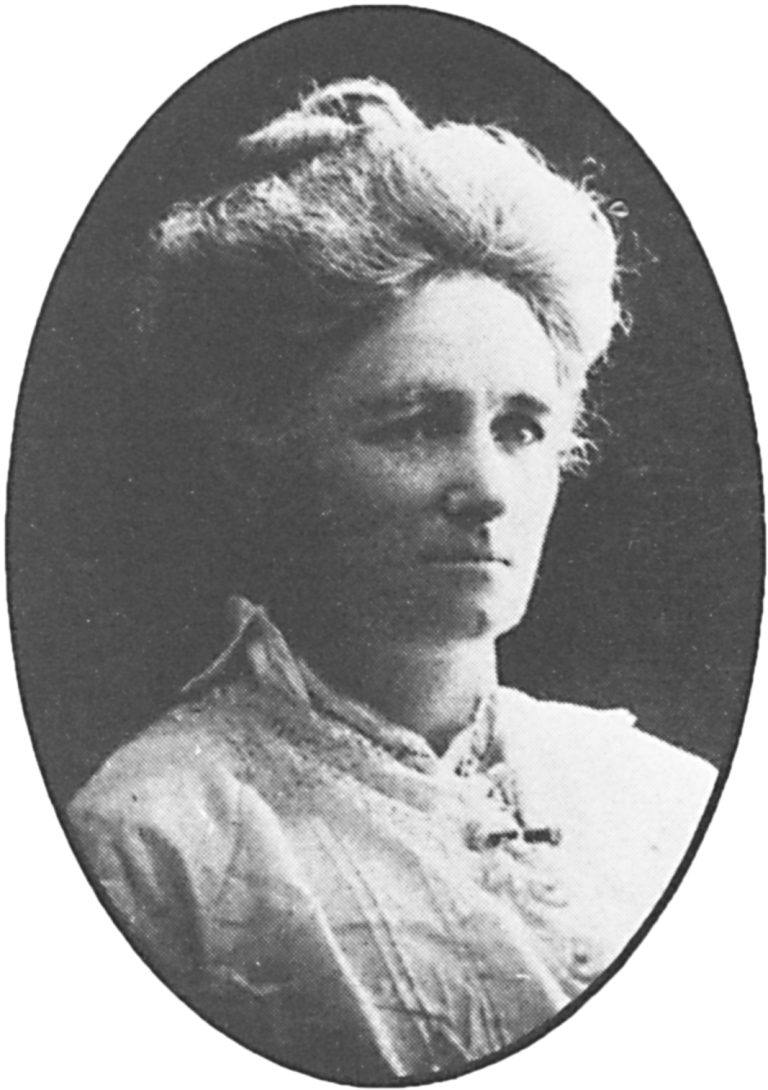
Dora Hood was a lovely looking, gracious woman who commanded great respect among her community.
Think about her life: relocated many times, living in a community of bark huts with dirt floors and few windows, no services like water or electricity, no transport and miles out of town!
A Wotjabaluk (Wergaia)[1] woman, after losing her first husband, Dora and her children relocated several times, eventually to the Lake Tyers Mission where she met and married Kurnai man, Stewart Hood. Marrying into the Kurnai culture meant Dora could no longer speak her language or practice her culture: she fully embraced and practised the Kurnai ways.
Stewart fetched Dora and family from Lake Tyers to live in his good-sized, handmade bark hut along the Labertouche Creek at the Jackson’s Track end of the Tonkin family property.[2] A thriving community sprang up around them, close to timber-felling work.
At the centre of it, Dora laid down the rules, supported and taught the women how to prevent their families from being “taken” by White authorities by maintaining high standards of cleanliness across the community, while at the same time respecting traditional culture and the environment.
Having embraced Christianity, she was known as a bit of a Bible-basher, the Bible giving Dora a tangible and “approved code to live by to keep her family safe and together”. [3]
Dora encouraged visiting church Ministers who came to the Track for services, including Pastor Doug Nicholls[4], and in 1959, caught the train to Melbourne the Billy Graham Christian Crusade.
Ever-watchful Dora’s leadership and strict standards laid the foundation on which the Jackson’s Track community survived for decades.
COMMEMORATION
Drouin Civic Park is a picturesque park located in the centre of town. The Three Kurnai Women sculpture has pride of place, signifying a physical place and prompt to discover the stories and incredible contributions of First Nations Women on Jackson’s track. This family friendly site also includes a playground, a skate park, a small lake, shelters, cycle and pedestrian trail and car parking. This park is easily accessible by public transport.
VISIT
More Information
View Similar Profiles
Inspired by her story? Explore more women whose lives and contributions have helped shape Australia’s communities, culture and history.