1894 – 1974
Amalie Sara Colquhoun – née Feild
 Arts & Culture
Multi Disciplinary Artist, Educator
“Every teacher, in fact, should be a student… It is only by experiment that art can keep on developing.”[1]
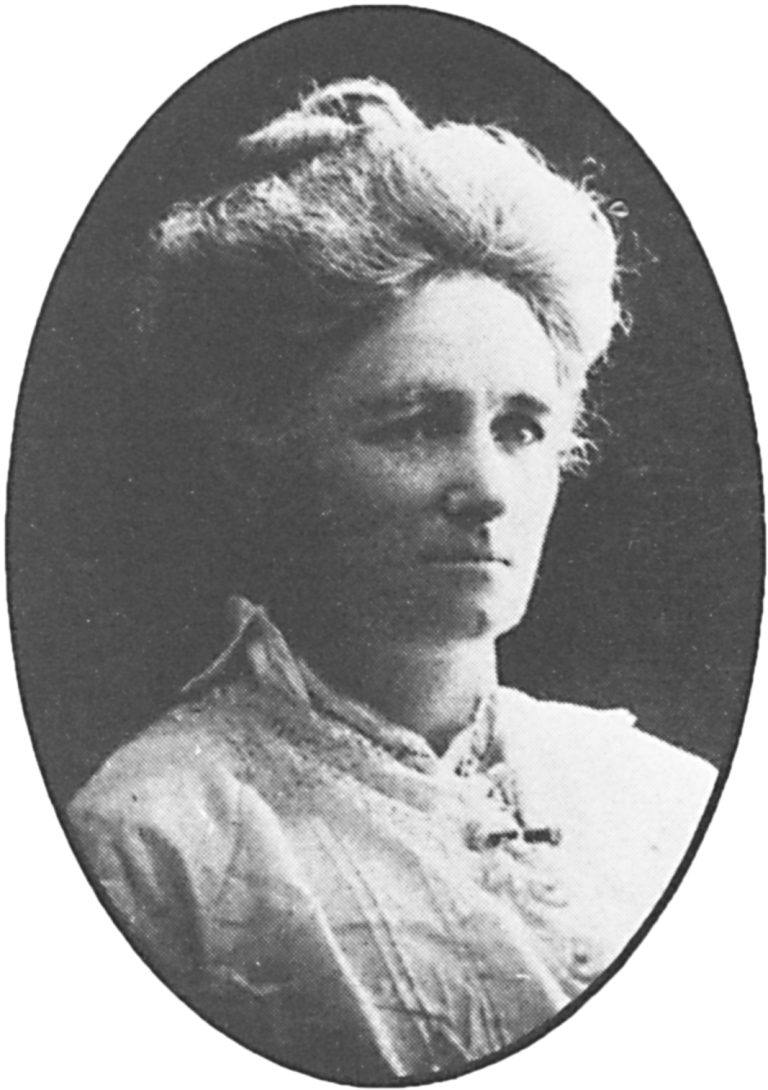
Amalie Colquhoun, 1933
Amalie Colquhoun was an accomplished Australian painter, stained-glass designer, potter, illustrator, and dedicated art teacher. Born in 1894 in Murtoa, rural Victoria, and known to her family as Millie, she displayed creativity and a love of nature from an early age. [2] Her lifelong passion for art developed into a respected career at a time when professional recognition was challenging for women.
In 1904, her family moved to Ballarat, where Amalie was inspired by her first visit to the Ballarat Fine Art Gallery. [3] At age 12, she began private professional art tuition. Amalie continued her studies at the Ballarat Technical Art School, excelling in drawing and design. After completing this training, she returned as a teacher and eventually became Art Mistress in the mid-1920s. Early in her career, she also taught at Sebastopol Primary School, where her innovative approach to teaching was recognised and encouraged. [4]
Amalie was the first recipient of a scholarship to study stained glass and pottery design at Sydney Technical School, and she further trained at Melbourne’s Max Meldrum School where she was able to explore painting in the tonal realist tradition.
Returning to Ballarat, Amalie shared her knowledge by introducing pottery classes at the Art school. At a time when few women worked in technical stained glass production she created stained-glass windows for local churches, including four panels for Lydiard Street Uniting Church and World War I memorial windows at Ballarat High School. [5]
In 1931, Amalie married artist and teacher Archibald Douglas Colquhoun. They co-founded a private art school in Melbourne, where they lived and worked. They were affectionately known to students as “the two A’s.” Amalie also taught at Melbourne Technical College. [6]
Throughout this time Amalie continued to exhibit both nationally and internationally. Her practice included landscapes, still lifes, portraits, and a commercial nursery rhyme lithograph series, Fairy Lore, designed for educational kindergarten use, which were printed locally. [7]
Amalie exhibited regularly in the Archibald Prize between 1933 and 1955, with works such as Rosie (1949), a portrait of her great-niece now held in the Art Gallery of New South Wales. [8]
In later life, Amalie and Archibald continued to run their school and inspire students with a studio vibrantly adorned with portraits, landscapes, and classical sculpture reproductions.
After the school closed in 1950, the couple moved to Kew in 1954, establishing a home studio and occasional gallery. Amalie continued painting prolifically and became known for her landscapes and seascapes inspired by her travels and holidays at Lorne, Victoria.
Amalie passed away in East Melbourne in 1974 at the age of 80 and is buried at Boroondara Cemetery.
Her work is highly regarded and held in major public collections, including the National Gallery of Victoria, the National Gallery of Australia, the Art Gallery of New South Wales, and the Queensland Art Gallery. Through both her innovative art and dedicated teaching, she contributed significantly to Australia’s cultural landscape.
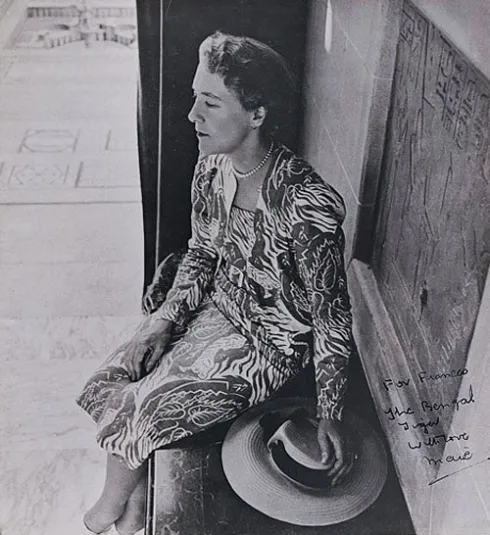
Image: Amalie Colquhoun in 1945
COMMEMORATION
In 2025, the City of Ballarat proposed naming an unnamed laneway at Barkly Square Colquhoun Lane in honour of Amalie Colquhoun (1894–1974), a prominent local artist and educator.
The proposal, submitted by a descendant through the Victorian Government’s Remember a Local, Name a Place campaign, recognises her achievements and connection to place as Art Mistress at the Ballarat Technical Art School and her stained-glass work for local churches.
The lane, running between Barkly Street and Princes Street South, provides access to Barkly Square and nearby parking.
Following Council endorsement on 10 December 2025, the name Colquhoun Lane was lodged with Geographic Names Victoria and officially gazetted on 6 February 2026.
The commemoration highlights Colquhoun’s lasting impact on the arts and education and contributes to efforts to increase the representation of women in Victorian place names.
VISIT
ACKNOWLEDGEMENT
This biography was written by Her Place Women’s Museum in consultation with descendants and City of Ballarat council.
More Information
View Similar Profiles
Inspired by her story? Explore more women whose lives and contributions have helped shape Australia’s communities, culture and history.